Apr
22
Bespoke Jewellery vs Commercial Jewellery
Fine jewellery today is shaped by two important directions — bespoke development and commercial production. While one focuses on individuality and flexibility, the other supports scalability, consistency, and broader retail movement.
Both play an important role in modern jewellery manufacturing, and many retailers today rely on a balance of the two.
Bespoke Jewellery: Built Around Individuality
Bespoke jewellery is typically developed for:
- Personalized customer requests
- Private label collections
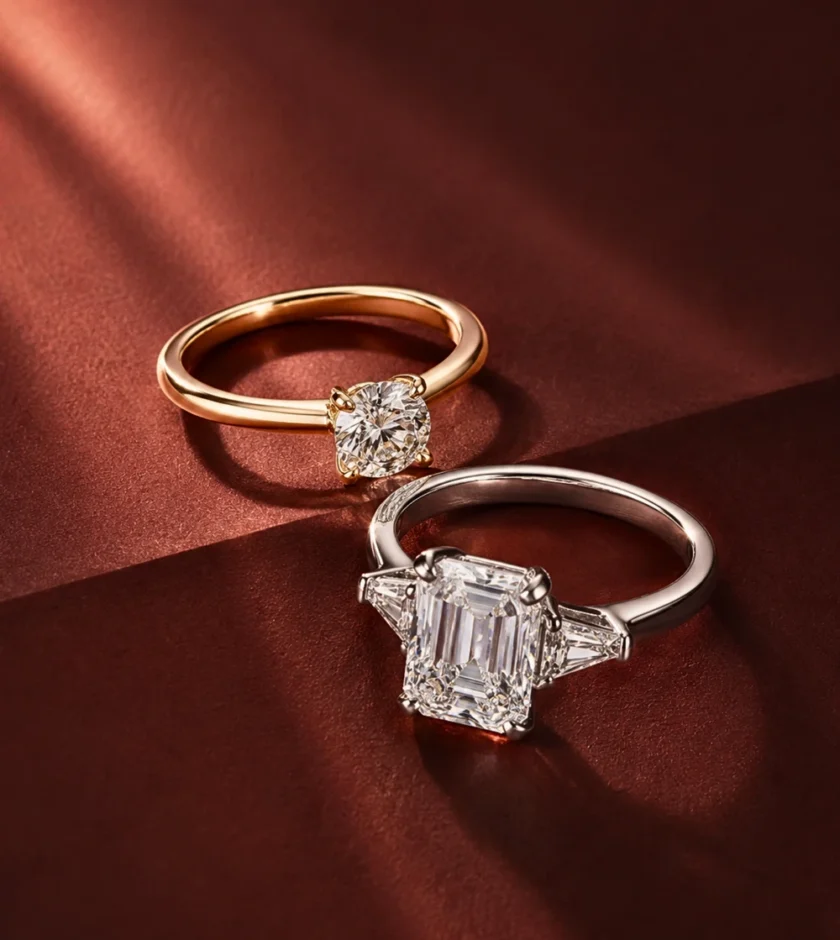
- Exclusive bridal pieces
- Tailored design concepts
These pieces often involve greater collaboration during development, allowing adjustments to:
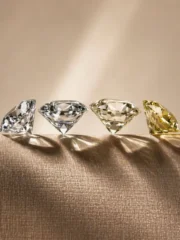
- Stone selection
- Proportions
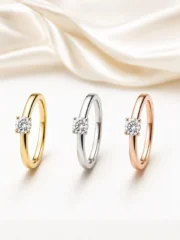
- Metal color
- Settings
- Overall design direction
As customers continue to look for jewellery that feels more personal and distinctive, bespoke development has become increasingly important across fine jewellery retail.
Commercial Jewellery: Built for Scalability and Consistency
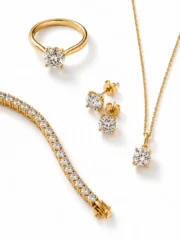
Commercial jewellery focuses on designs that can be produced more efficiently and repeatedly across larger quantities.
This approach supports:
- Inventory planning
- Faster replenishment
- Pricing consistency
- Dependable production timelines
- Broader assortment building
Commercial collections are often developed around proven categories and bestselling styles that maintain long-term retail demand.
For retailers and wholesalers, this creates stronger continuity across everyday business operations.
Why Retailers Often Need Both
Today, many retailers combine commercial and bespoke jewellery within the same collection strategy.
Commercial styles help maintain:
- Consistency
- Stock movement
- Scalable sales programs
While bespoke developments help create:
- Exclusivity
- Differentiation
- Stronger customer engagement
- More personalized buying experiences
This balance allows collections to remain commercially practical while still offering flexibility for evolving customer preferences.
Modern Manufacturing Has Changed the Process
Advances in CAD development, visualization, and production technology have made bespoke jewellery development more efficient than before.
Retailers are now able to develop:
- Modified existing designs
- Tailored variations
- Exclusive collections
- Made-to-order pieces
With greater speed and clarity during the approval process.
As a result, bespoke jewellery is no longer limited only to ultra-high luxury segments. It has become an increasingly integrated part of modern fine jewellery manufacturing.
Conclusion
Both bespoke and commercial jewellery continue to play important roles within the industry.
While commercial production supports scalability and consistency, bespoke development brings flexibility, individuality, and stronger emotional connection.
As modern retail continues to evolve, the ability to balance both approaches has become increasingly valuable across fine jewellery manufacturing and collection development.